The Ohio State University - Celeste NEXUS Laser Lab Renovation
Location
Columbus, OH
Project Costs
$1.5M
Project Area
1,400 GSF
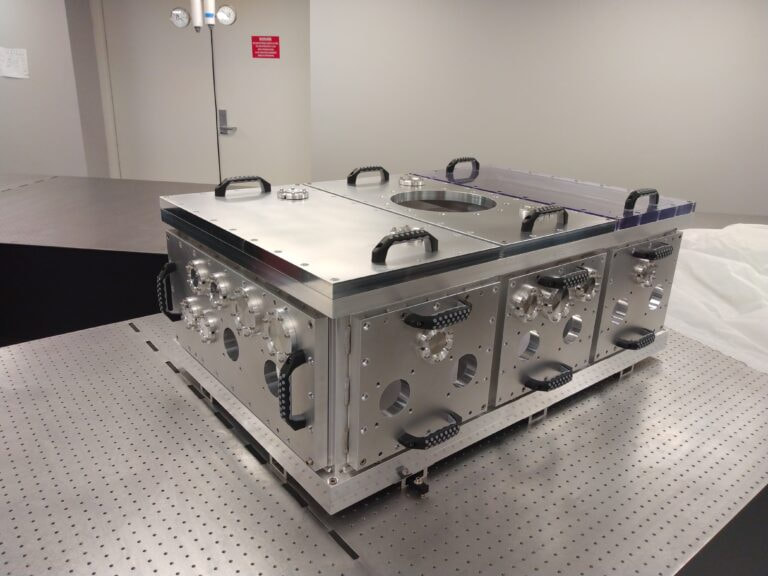
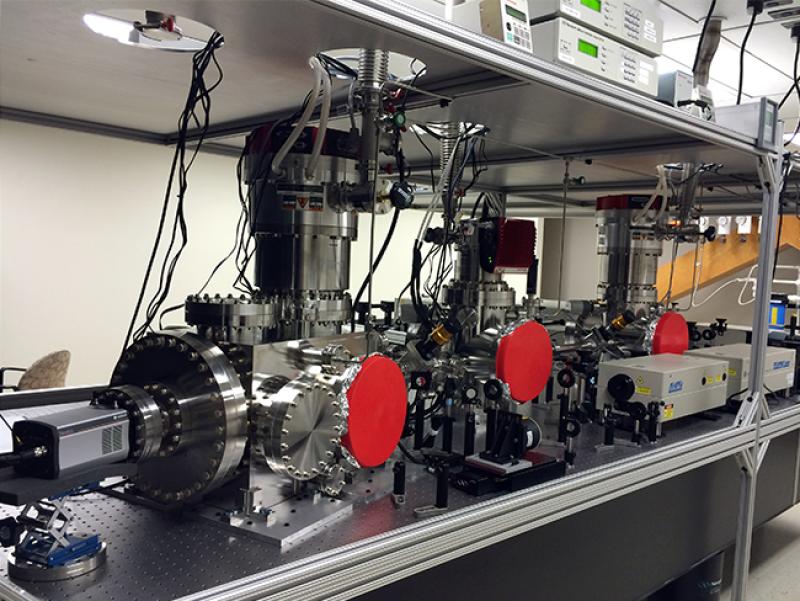
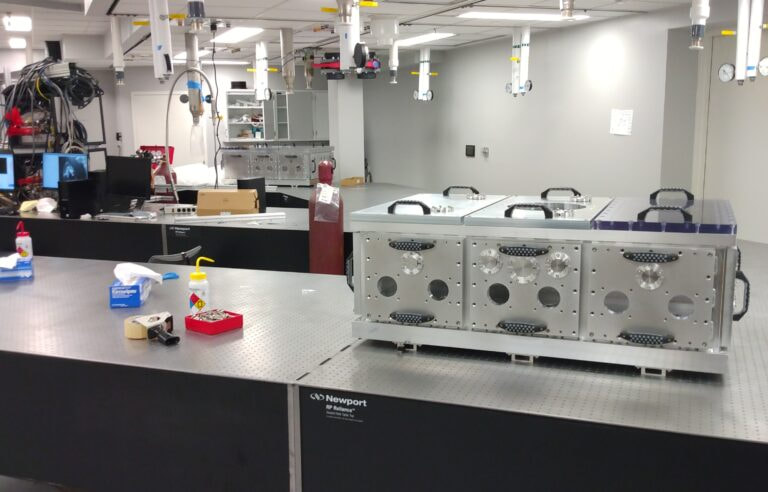
The Ohio State University’s Institute for Optical Science (iOS) won a competitive grant from the National Science Foundation (NSF) to create a National Extreme Ultrafast Science (NEXUS) facility within the basement of the Celeste Laboratory of Chemistry. The centerpiece of the lab will be an ultrafast laser delivering a kilowatt of power, making it the first laser of its kind in the United States. It will produce extreme ultraviolet radiation (XUV), allowing researchers to study electrons at extremely small scales and spatial resolutions. Programming efforts will be a critical starting point for the project, not only for the design team to help the University assess the pros and cons of different laser manufacturers, but also to confirm requirements and ideal adjacencies of the supplemental equipment accompanying the laser. The lab will be a class 10,000 level clean lab, and needs to be maintained within 1-degree Fahrenheit and 5-percent relative humidity, requiring thorough coordination and thoughtful detailing of interior elements, finishes and MEP systems. The NSF requirements include an aggressive design schedule and the overall project completion milestone is five years from award of the grant.
Columbus, OH
Project Costs
$1.5M
Project Area
1,400 GSF
The Ohio State University’s Institute for Optical Science (iOS) won a competitive grant from the National Science Foundation (NSF) to create a National Extreme Ultrafast Science (NEXUS) facility within the basement of the Celeste Laboratory of Chemistry. The centerpiece of the lab will be an ultrafast laser delivering a kilowatt of power, making it the first laser of its kind in the United States. It will produce extreme ultraviolet radiation (XUV), allowing researchers to study electrons at extremely small scales and spatial resolutions. Programming efforts will be a critical starting point for the project, not only for the design team to help the University assess the pros and cons of different laser manufacturers, but also to confirm requirements and ideal adjacencies of the supplemental equipment accompanying the laser. The lab will be a class 10,000 level clean lab, and needs to be maintained within 1-degree Fahrenheit and 5-percent relative humidity, requiring thorough coordination and thoughtful detailing of interior elements, finishes and MEP systems. The NSF requirements include an aggressive design schedule and the overall project completion milestone is five years from award of the grant.